Felting is one of the oldest textile-making techniques in the world, yet it continues to grow in popularity among crafters, artists, and pet lovers across the United States. Whether you’ve seen adorable wool animals, handmade decorations, or custom pet replicas, you’ve likely encountered the art of felting.
But what exactly is the meaning of felting? How does it work, and why has it become such a beloved hobby?
In this guide, we’ll explore the meaning of felting, its history, different felting methods, popular uses, and why so many people are discovering this creative craft today.
What Is the Meaning of Felting?
Felting is the process of matting, condensing, and pressing fibers together to create a dense fabric or sculpted object. Unlike traditional weaving or knitting, felting does not require threads to be woven together. Instead, loose fibers—most commonly wool—are bonded through friction, moisture, heat, or specialized needles.
Simply put, felting transforms soft wool fibers into solid shapes and fabrics.
The word “felt” refers to both the process and the final material produced through this technique.
The History of Felting
Felting is believed to be one of the oldest textile arts in human history. Historians estimate that felt-making dates back thousands of years, even before woven fabrics became common.
Ancient civilizations used felt to create:
- Clothing
- Blankets
- Rugs
- Tents
- Horse saddles
- Protective armor
Nomadic tribes in Central Asia were especially skilled at making felt products because wool was abundant and durable.
Today, while industrial felt still serves practical purposes, artistic felting has evolved into a thriving craft community worldwide.
How Does Felting Work?
To understand felting, it helps to know a little about wool fibers.
Wool fibers have tiny microscopic scales on their surface. When these fibers are exposed to moisture, heat, friction, or repeated needle poking, the scales lock together.
As the fibers intertwine, they become increasingly compact and stable, eventually forming a solid material.
This unique characteristic makes wool ideal for felting projects.
Types of Felting
There are several methods used in modern felting. Each technique produces different results and offers unique creative possibilities.
Needle Felting
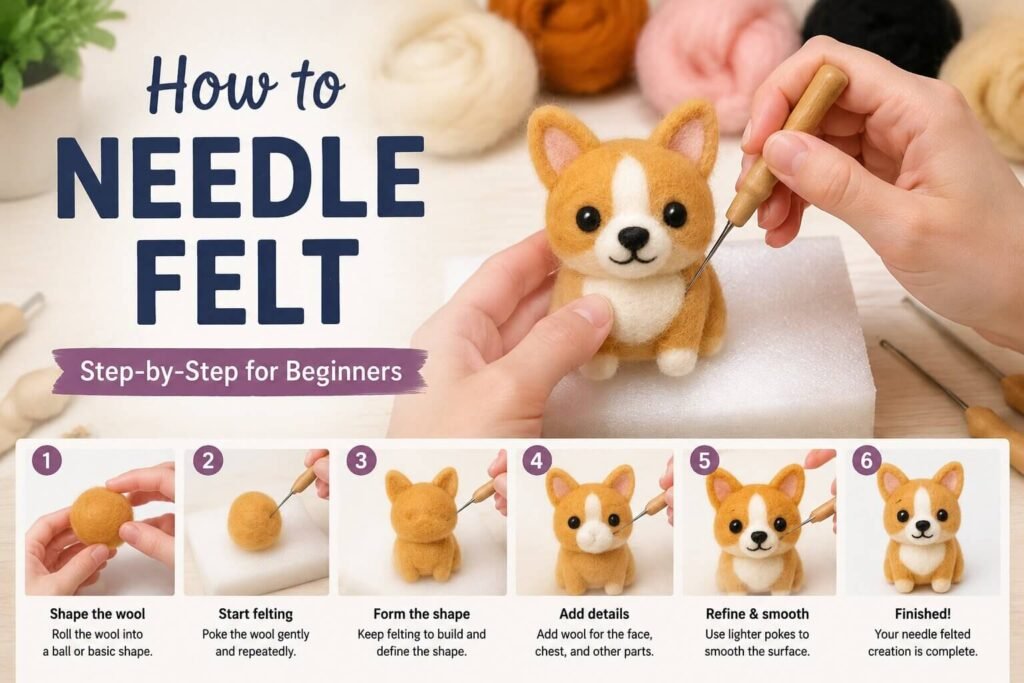
Needle felting is one of the most popular forms of felting today.
Special barbed needles are repeatedly inserted into wool fibers. The tiny barbs catch and tangle the fibers together, gradually shaping them into a solid form.
Needle felting is commonly used to create:
- Animals
- Dolls
- Miniatures
- Pet portraits
- Ornaments
- Decorative sculptures
Many beginners start with needle felting because it requires minimal equipment and offers endless creative freedom.
Wet Felting
Wet felting uses warm water, soap, and friction to bind wool fibers together.
The process involves:
- Layering wool fibers.
- Applying warm soapy water.
- Rubbing and rolling the fibers.
- Allowing the fibers to bond.
Wet felting is often used to make:
- Hats
- Scarves
- Bags
- Slippers
- Wall art
Nuno Felting
Nuno felting combines wool fibers with lightweight fabrics such as silk.
The wool fibers penetrate the fabric during felting, creating unique textures and patterns.
This technique is especially popular among textile artists and fashion designers.
Why Is Felting So Popular?
Felting has experienced a significant resurgence in recent years. Several factors contribute to its growing popularity.
Relaxing and Therapeutic
Many people find felting incredibly calming. The repetitive motions involved in shaping wool can feel similar to meditation.
Crafters often describe felting as a stress-relieving activity that helps them focus and unwind.
Beginner-Friendly
Unlike some crafts that require expensive equipment, felting is relatively affordable to start.
Basic supplies typically include:
- Wool roving
- Felting needles
- Foam pad or felting mat
This low barrier to entry makes it appealing to beginners.
Endless Creative Possibilities
From realistic animals to whimsical fantasy creatures, felting allows artists to bring almost any idea to life.
Projects can range from simple beginner designs to highly detailed masterpieces.
What Materials Are Used for Felting?
The most common material used in felting is wool.
Popular wool types include:
Merino Wool
Merino wool is soft, fine, and easy to work with, making it ideal for beginners.
Corriedale Wool
Corriedale wool offers excellent structure and is often used for sculptural projects.
Romney Wool
Romney wool has longer fibers and works well for adding texture and details.
Although wool remains the preferred material, some artists also experiment with:
- Alpaca fibers
- Mohair
- Silk blends
- Specialty fibers
Felting and Custom Pet Replicas
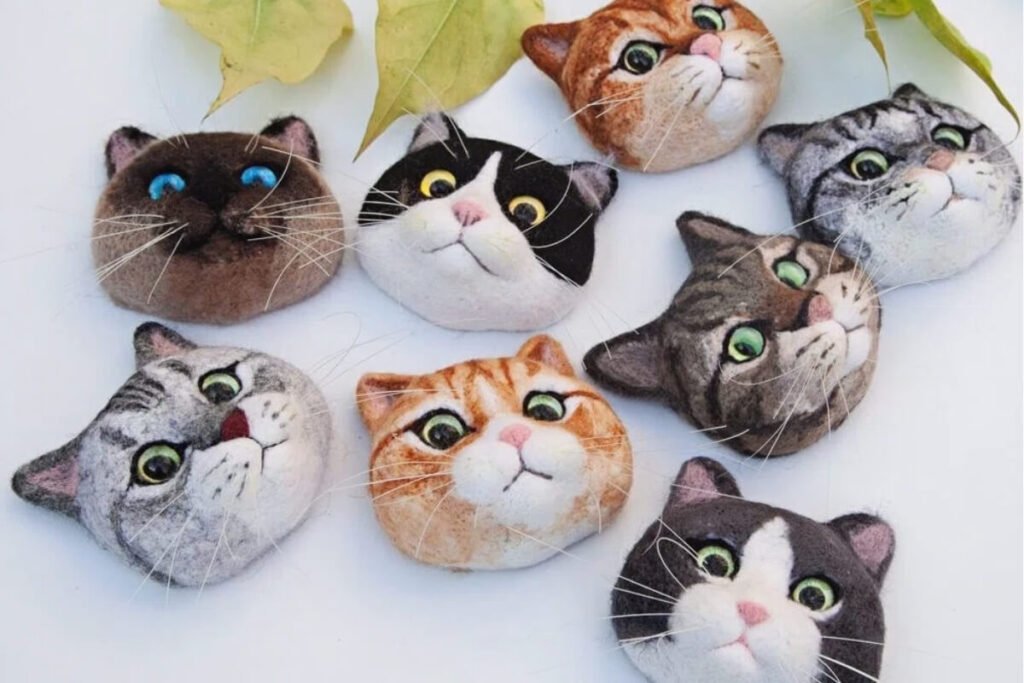
One of the fastest-growing trends in felting is creating realistic pet replicas.
Talented artists can transform photographs of beloved pets into detailed wool sculptures that capture their unique appearance and personality.
These handcrafted keepsakes have become popular memorial gifts and meaningful decorations for pet owners.
If you’re interested in seeing how skilled artists turn wool into lifelike pet creations, you can explore custom felted pet artwork at https://feltmypet.com. Many pet lovers enjoy commissioning personalized pieces that celebrate their furry family members in a truly unique way.
Is Felting Difficult to Learn?
Most beginners are surprised by how approachable felting can be.
Simple projects often require only a few basic techniques:
- Shaping wool
- Layering fibers
- Controlling needle depth
- Refining details
As skills improve, crafters can move on to more advanced projects featuring realistic fur textures, facial expressions, and intricate details.
The key is patience and practice.
Even experienced felting artists continue learning new techniques throughout their creative journey.
Common Felting Projects for Beginners
If you’re new to felting, consider starting with simple projects such as:
Felted Animals
Small animals are among the most popular beginner projects.
Felted Hearts
Heart-shaped creations help beginners practice basic shaping techniques.
Felted Ornaments
Holiday ornaments offer a fun and practical introduction to felting.
Felted Flowers
Flowers help crafters learn color blending and layering.
These beginner-friendly projects build confidence while teaching essential skills.
Benefits of Learning Felting
Felting offers more than just creative satisfaction.
Some benefits include:
Improves Focus
Felting requires attention to detail, helping improve concentration.
Encourages Creativity
Every project presents opportunities for artistic expression.
Creates Handmade Gifts
Handcrafted felted items make thoughtful gifts for family and friends.
Supports Mental Wellness
Many people find crafting activities beneficial for reducing stress and promoting relaxation.
The Future of Felting
As consumers increasingly appreciate handmade products, felting continues to gain momentum.
Social media platforms have introduced millions of people to stunning felted creations, from realistic animals to fantasy sculptures and personalized keepsakes.
The rise of custom pet portraits, home décor, and artistic collectibles suggests that felting will remain a beloved craft for years to come.
Whether you’re interested in creating beautiful decorations, making heartfelt gifts, or simply exploring a relaxing hobby, felting offers a rewarding creative experience.
Final Thoughts on the Meaning of Felting
The meaning of felting goes far beyond simply bonding wool fibers together. It represents creativity, craftsmanship, patience, and self-expression. From ancient textiles to modern pet replicas and artistic sculptures, felting continues to inspire makers of all skill levels.
Whether you’re a complete beginner or an experienced crafter, felting provides countless opportunities to create something truly unique with your own hands. As more people discover this fascinating art form, its popularity and appreciation continue to grow throughout the United States and around the world.